Beginner's Guide to Resistance Training
Updated: 4 days ago
If you've ever wondered whether resistance training is right for you, the answer is almost certainly yes.
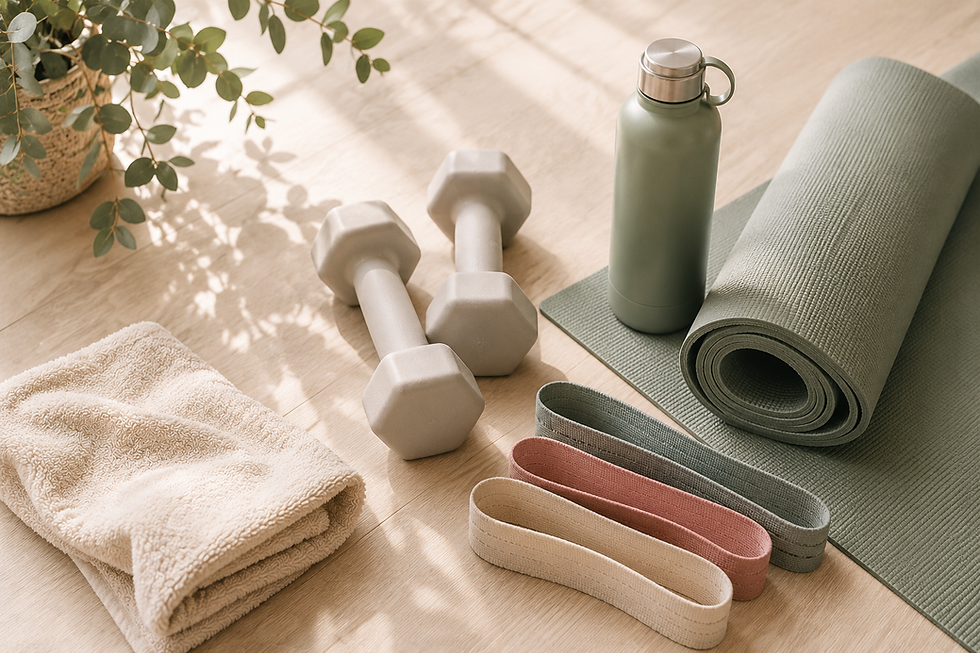
Despite its name, resistance training isn't just for athletes or bodybuilders. It's simply any exercise that works your muscles against resistance, helping them become stronger over time. That resistance might come from dumbbells, resistance bands, your own body weight, or even everyday objects around your home.
The best part? You don't have to spend hours in the gym to experience the benefits.
What Is Resistance Training?
Whenever your muscles work against a force, tiny fibers inside the muscle experience stress. During recovery, your body repairs those fibers, making them a little stronger than before. This process, called muscle adaptation, is how strength gradually improves.
Research consistently shows that regular resistance training can:
Increase muscle strength and endurance
Support healthy bones by improving bone density
Help protect joints and improve balance
Boost metabolism by maintaining lean muscle
Make everyday activities feel easier
For women, these benefits become especially important as we age because muscle mass naturally declines over time if it isn't regularly challenged.
You Don't Need Heavy Weights
One of the biggest misconceptions about strength training is that you need heavy weights to see results.
In reality, beginners often make excellent progress using light dumbbells, resistance bands, or body weight exercises. The goal isn't to lift the heaviest weight possible—it's to challenge your muscles while maintaining good form.
As exercises begin to feel easier, gradually increasing the resistance encourages your muscles to continue adapting.
Focus on Movement Patterns
Instead of worrying about dozens of different exercises, think about learning a few basic movement patterns.
A well-rounded beginner routine usually includes:

Squatting movements for your legs
Pushing movements for your chest and shoulders
Pulling movements for your back
Hip hinge movements that strengthen your glutes and hamstrings
Core exercises that improve stability and posture
These movements work multiple muscles at once and prepare your body for everyday life.
Recovery Is Part of Getting Stronger
Strength doesn't happen during your workout—it happens afterward.
Your muscles need time to repair and rebuild between sessions. That's why most experts recommend allowing at least one day before training the same muscle group again.
Quality sleep, enough protein, hydration, and gentle movement like walking all help support the recovery process.
How Often Should Beginners Train?
For most healthy adults, two to three full-body resistance training sessions each week provide an excellent starting point.
This schedule gives your muscles enough stimulus to become stronger while allowing plenty of time for recovery.
Remember, consistency matters far more than perfection. A routine you can maintain week after week will almost always produce better long-term results than an intense program you quickly abandon.
Progress Takes Time
It's easy to expect noticeable changes after just a few workouts, but your body needs time to adapt.
Many beginners first notice improvements in everyday activities. Carrying groceries feels easier, climbing stairs becomes less tiring, and posture often improves before visible muscle changes appear.
Those small improvements are signs your body is getting stronger.
The Bottom Line: beginner's guide to resistance training
Resistance training is one of the most effective ways to support your long-term health. It helps build strength, protects your bones and joints, improves balance, and makes everyday movement easier.
You don't need expensive equipment or complicated workouts to begin. Start with a few simple exercises, focus on good technique, and allow yourself time to improve.
Small, consistent efforts truly add up.
Continue Learning
You don't need a room full of equipment to begin resistance training. Discover how resistance bands can help you work different muscle groups, add variety to your exercises, and build strength with a simple, affordable fitness tool.
Once you're comfortable with the basics, understanding repetitions and sets can help you plan your workouts. Learn how to choose an appropriate number of reps, why your goals matter, and how to approach strength training without overcomplicating it.
Ready to put what you've learned into practice? Explore practical tips for setting up a simple home strength-training routine, choosing beginner-friendly exercises, and building confidence as you get stronger.


Comments