How to Start Strength Training at Home
Updated: 2 days ago
Starting a strength training routine doesn't require an expensive gym membership or complicated equipment. In fact, many effective workouts can be done right in your living room with just a few basic tools, or even just your own body weight.
Whether your goal is building strength, supporting healthy aging, improving energy, or feeling more confident in everyday activities, strength training is one of the best investments you can make in your long-term health.
The best part? You don't have to be an athlete to get started. A simple routine performed consistently is far more effective than chasing the "perfect" workout.
Why Strength Training Matters
Strength training does much more than build muscle. Research shows that regular resistance exercise helps preserve muscle mass as we age while supporting bone health, improving balance, boosting metabolism, and making everyday activities like carrying groceries, climbing stairs, or getting up from the floor feel easier.
It also supports healthy joints by strengthening the muscles that surround them, helping your body move more efficiently throughout the day.
Strength Training at Home

One of the biggest misconceptions about strength training is that you need an entire room filled with equipment.
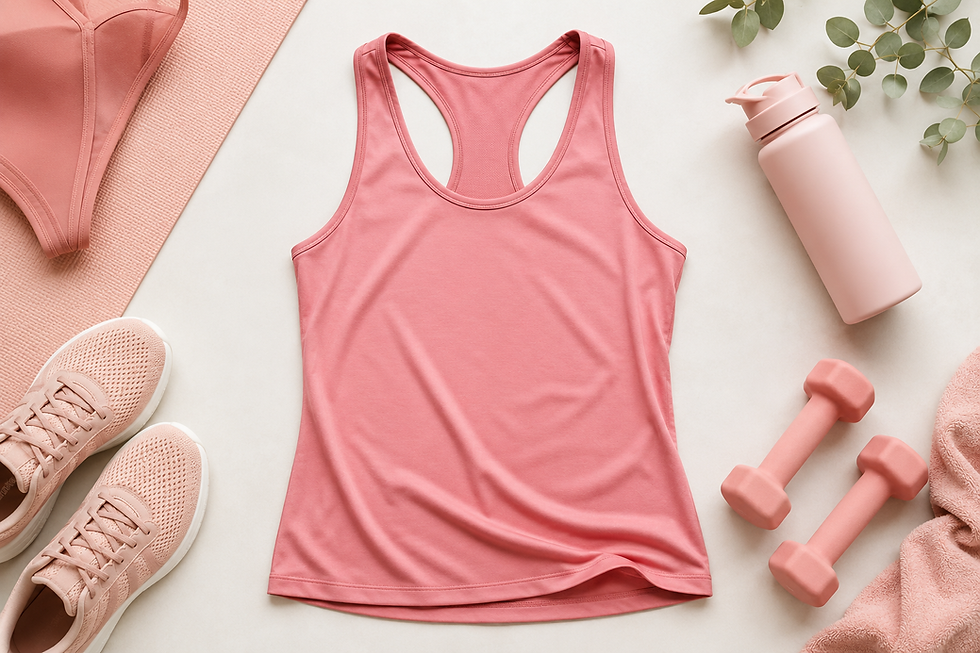
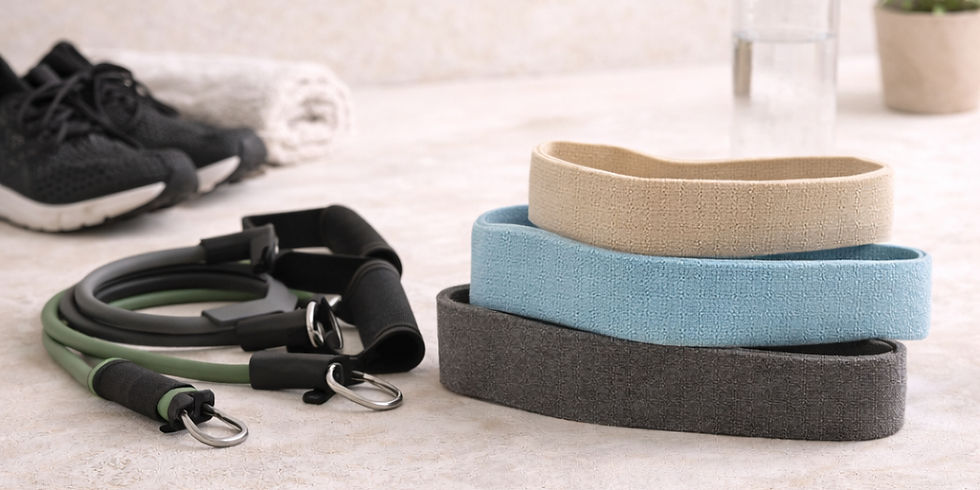
Most beginners can make excellent progress with a pair of light dumbbells, a resistance band, a yoga mat, and a sturdy chair. Even bodyweight exercises provide enough resistance to build strength when you're just starting out.
Rather than buying everything at once, begin with a few versatile pieces of equipment and add more only as your strength improves.
A Simple Way to Get Started With Weights
You don't need a full home gym to begin strength training. A pair of light dumbbells can be a practical starting point for exercises like bicep curls, shoulder presses, and other beginner-friendly movements. If you're unsure what to look for, check out Light Dumbbells for Women: The Simple Strength Tool You’ll Actually Use for a closer look at this versatile home workout essential.
Focus on Movement, Not Muscles
Instead of thinking about individual muscles, focus on the basic movement patterns your body uses every day. These movements create a balanced workout while helping you build practical, functional strength.
Movement | What It Helps Strengthen | Beginner Example |
Squat | Legs and glutes | Chair squat |
Push | Chest and shoulders | Wall push-up |
Pull | Upper back and biceps | Resistance band row |
Hip Hinge | Glutes and hamstrings | Glute bridge |
Core | Abdominals and posture muscles | Bird dog |
Building your workouts around these five movement patterns helps ensure you're strengthening your entire body instead of overworking just a few muscle groups.
How Often Should Beginners Train?
For most beginners, two or three full-body workouts each week is an excellent place to start. Aim for six to eight exercises per workout, performing one to three sets of eight to twelve repetitions.
Leave at least one recovery day between strength sessions. Your muscles become stronger during recovery—not while you're exercising.
Master Good Form First
It can be tempting to lift heavier weights as quickly as possible, but learning proper technique should always come first.
Moving with good form helps target the intended muscles, improves balance, and reduces unnecessary stress on your joints. If an exercise feels awkward or causes pain, lower the weight, shorten the range of motion, or try an easier variation before progressing.
Strong movement patterns are the foundation for long-term success.
Progress Slowly
Strength training works because your body gradually adapts to new challenges. Once an exercise begins to feel comfortable, you can increase the challenge by adding a few repetitions, performing another set, choosing a slightly heavier weight, or slowing the movement to increase time under tension.
Small improvements made consistently over weeks and months produce better results than making large jumps too quickly.
A Simple Beginner Workout

If you're unsure where to begin, try this full-body routine two or three times each week:
Chair or bodyweight squats – 10–12 reps
Wall push-ups – 8–12 reps
Resistance band rows – 10–12 reps
Glute bridges – 12 reps
Bird dogs – 8 reps per side
Standing overhead press with light dumbbells – 10 reps
Complete one to three rounds, resting as needed between exercises.
The Bottom Line
Starting strength training at home doesn't have to feel overwhelming. A few simple exercises, basic equipment, and a consistent routine are enough to build strength, improve balance, support healthy joints, and increase confidence in everyday movement.
Remember that progress doesn't come from doing everything perfectly—it comes from showing up consistently. Every workout builds on the one before it, and over time those small efforts add up to meaningful, lasting results.
Continue Learning
You don't need a full set of weights to begin building strength at home. Discover why light dumbbells can be a practical starting point, what to consider when choosing them, and how they can fit into simple strength-training exercises.
Wondering how many days a week you should lift weights? Explore how workout frequency, recovery time, and your experience level can help you create a realistic strength-training schedule.
Starting a new fitness routine can feel overwhelming, but a few simple adjustments can make the process easier. Learn about common beginner mistakes, why proper progression matters, and how to build confidence as you develop your routine.

Comments